Crochet hooks are one of the most essential tools in the world of crochet, and choosing the right one can make a significant difference in the comfort, speed, and quality of your work. Whether you are creating delicate lace doilies, cozy blankets, or intricate amigurumi figures, the type of crochet hook you use will affect both the process and the final result. Understanding the different types of crochet hooks available today helps crocheters select the perfect tool for each project and develop better technique over time.
In this complete guide, we will explore the main types of crochet hooks, the materials they are made from, the differences between hook styles, and how to choose the right hook for your crochet projects.
What Is a Crochet Hook?
A crochet hook is a handheld tool used to pull yarn through loops in order to create crochet stitches. Unlike knitting needles, crochet uses only one hook to build stitches, which allows for great flexibility and creativity in stitch patterns.
Crochet hooks come in many sizes, shapes, and materials. Each variation serves a specific purpose, from working with fine thread to handling thick chunky yarn. The hook size determines the size of the stitches, while the material and design influence comfort and ease of use.
Inline Crochet Hooks
Inline crochet hooks are one of the most traditional hook styles. They are characterized by a straight shaft and a hook head that is aligned with the shaft. The throat of the hook is usually deeper and more defined, which helps maintain consistent stitch size.
Many experienced crocheters prefer inline hooks because they provide excellent control over tension and stitch uniformity. This style is especially useful for projects that require precision, such as lace crochet or detailed stitch work.
Inline hooks are commonly found in classic brands and are often made from aluminum or steel. They are a great choice for crocheters who value consistency and accuracy in their stitches.
Tapered Crochet Hooks
Tapered crochet hooks are another widely used type of hook. Unlike inline hooks, tapered hooks have a gradually narrowing throat and a rounded head. This design allows the hook to glide smoothly through stitches, making it easier to work quickly.
Many beginners find tapered hooks easier to use because they help prevent splitting yarn and allow stitches to slide off the hook more smoothly. These hooks are very popular in ergonomic designs and are often recommended for long crochet sessions.
Tapered hooks are commonly used for everyday crochet projects such as blankets, scarves, garments, and home decor items.
Steel Crochet Hooks
Steel crochet hooks are the smallest hooks available and are specifically designed for working with very fine thread. These hooks are commonly used for lace crochet, doilies, table runners, and delicate decorative projects.
Steel hooks are typically numbered rather than labeled with letter sizes. Because of their small size and precision, they allow crocheters to create intricate patterns with fine crochet thread.
Although they require a steady hand and some practice, steel hooks are essential tools for anyone interested in thread crochet or heirloom-quality projects.
Aluminum Crochet Hooks
Aluminum crochet hooks are among the most popular and widely used hooks in the crochet community. They are lightweight, durable, and allow yarn to glide smoothly across the surface.
Many crochet hook sets are made from aluminum because it provides a perfect balance between durability and comfort. These hooks are available in a wide range of sizes, making them suitable for most yarn types.
Aluminum hooks are often recommended for beginners because they are affordable, easy to use, and widely available in craft stores.
Plastic Crochet Hooks
Plastic crochet hooks are typically used for larger yarn weights, such as bulky or super bulky yarn. Because plastic is lightweight and inexpensive, manufacturers can easily produce hooks in very large sizes.
These hooks are ideal for projects like chunky blankets, rugs, and oversized scarves. Their larger size makes them comfortable to hold and perfect for working with thick yarns that would be difficult to manage with metal hooks.
Plastic hooks are also a good option for beginners experimenting with large yarn projects.
Wooden and Bamboo Crochet Hooks
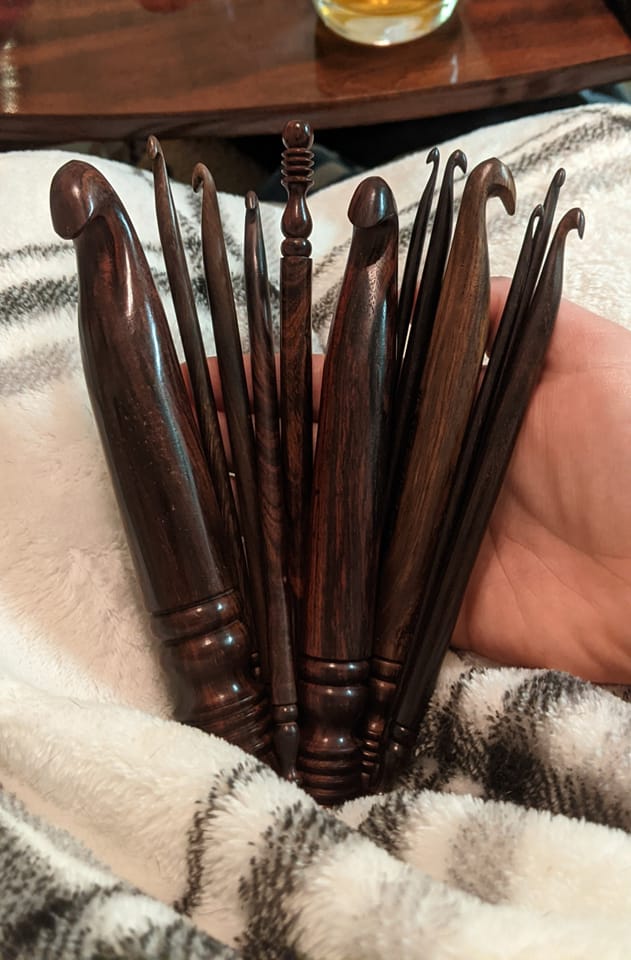
Wooden and bamboo crochet hooks are known for their warm, natural feel and comfortable grip. Many crocheters love these hooks because they feel softer in the hands and provide slightly more friction than metal hooks, which helps prevent yarn from slipping too quickly.
Bamboo hooks are especially popular because they are lightweight, eco-friendly, and strong enough to handle most yarn types. Wooden hooks are often beautifully crafted and can even become collectible tools for crochet enthusiasts.
These hooks are particularly helpful for beginners who struggle with yarn slipping off metal hooks.
Ergonomic Crochet Hooks
Ergonomic crochet hooks are designed with comfort in mind. They usually feature thicker handles made from rubber, silicone, or soft plastic that reduce strain on the hands and wrists.
These hooks are ideal for crocheters who spend long hours working on projects or who experience hand fatigue or arthritis. The ergonomic grip allows for a more relaxed hold and better control over stitches.
Many modern crochet hook brands now offer ergonomic designs because they significantly improve comfort during extended crochet sessions.
Tunisian Crochet Hooks
Tunisian crochet hooks are longer than standard crochet hooks and often resemble knitting needles with a hook on one end. Some versions also have a cable attached to the end, similar to circular knitting needles.
This type of hook is used for Tunisian crochet, a technique that combines elements of knitting and crochet. Instead of completing each stitch individually, stitches are held on the hook and worked in two passes.
Tunisian crochet hooks are perfect for creating dense, textured fabrics that are often used in blankets, scarves, and structured garments.
How to Choose the Right Crochet Hook
Choosing the right crochet hook depends on several factors, including the type of yarn, the pattern requirements, and your personal comfort preferences.
The yarn label usually recommends a specific hook size, which is a good starting point. However, many crocheters adjust hook size depending on their tension and the desired fabric texture.
Beginners often benefit from starting with medium-sized aluminum hooks because they are easy to control and work well with common yarn weights. As crocheters gain experience, they often explore different materials and styles to find the hooks that best suit their technique.
Final Thoughts
Crochet hooks may seem simple at first glance, but they come in a wide variety of styles designed to support different crochet techniques and project types. From delicate steel hooks used for lacework to ergonomic hooks designed for comfort, each type offers unique advantages.
Understanding the differences between crochet hook materials, shapes, and sizes allows crocheters to improve their technique and enjoy the craft even more. By experimenting with different hooks, every crocheter can discover the tools that make their crochet projects smoother, faster, and more enjoyable.
Whether you are a beginner starting your first scarf or an experienced crocheter creating intricate patterns, the right crochet hook can transform your entire crochet experience.